

“The new site surfaces our fleet, operational capabilities, and Latin America positioning in a way the previous infrastructure never could, and it completely changed how brokers and direct clients experience the Reliance brand.”
The Context
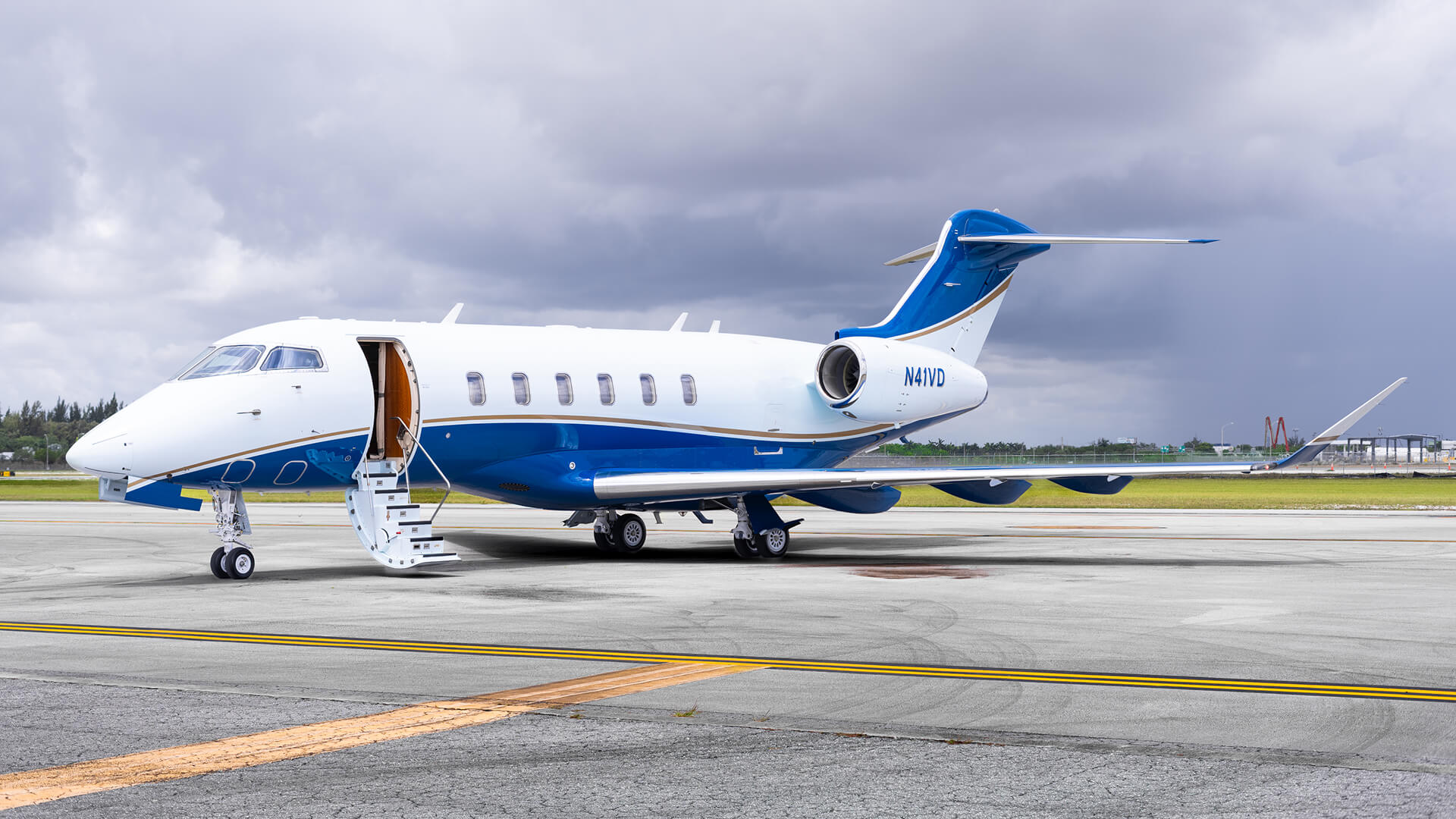
Reliance Jets is one of the fastestgrowing private jet operators in the US, based out of Opa locka, Florida. Opalocka Executive Airport sits in South Florida and operates as a major privateaviation hub, particularly strategic for transit to and from Latin America andthe Caribbean. Most Latin American principal flights into the US route throughOpa locka rather than Miami International because of the FBO infrastructure,the customs operation, and the basing economics. Reliance built around thatgeography deliberately.
The fleet is modern, capable, andcontinuously expanding. The client base sits in two overlapping audiences:entertainment and music industry principals (multiple Latin American and UScelebrities are recurring charter clients) and the broader Latin Americanprivate wealth network that moves between Sao Paulo, Mexico City, Bogota, Puntadel Este, and the US East Coast on private aviation as a default rather than anevent.
The operational story Reliancewas telling internally and the story the public site was telling were not thesame story. The previous brand identity did not reflect the fleet, theclientele, or the operational sophistication the business had developed.Critical details that broker partners and direct charter clients actually wantto see before submitting an inquiry, including Starlink connectivity, currentempty legs, full aircraft specifications, and fleet expansion announcements,did not have a clean surface on the site.

The Outcome
Reliance shipped a brand and adigital infrastructure that match the fleet, the clientele, and the geographicpositioning the operator has built. Brokers and direct clients now land on asite that surfaces fleet specifications, Starlink availability, and currentempty legs in a way the previous site could not. The CMS lets the team keep thesite current as the fleet expands without engineering involvement. The newdigital footprint is the public face of Reliance for everyone evaluating an Opalocka based operator on the Latin America corridor.
Per the engagement scope, postlaunch performance was not formally tracked. The outcome is the build itself,and the platform is now in place to support continued growth as the fleetexpands and the clientele compounds.
The Challenge
Three things had to happen.
First, the brand had to reflectthe operator Reliance has become. The visual identity, the typography, thephotography direction, and the verbal voice had to align with a fleet flyingentertainment principals and Latin American UHNW clients. The previous identitywas sending a different signal than the business was actually delivering.
Second, the site had to surfacethe operational specifics that brokers and direct clients use to evaluate anoperator. Aircraft detail with full specifications, base by base. Starlinkcoverage flagged on the equipped tails. Empty legs as a featured, dynamicsurface element so brokers and direct clients can see real availability withoutinquiry. Fleet additions surfaced as the company grows. None of which existedon the previous site at the level the audience expected.
Third, the SEO foundation had tocapture the queries Reliance can actually win. Latin America corridor charterqueries, Opa locka basing queries, Starlink equipped charter queries, specificaircraft type queries that match the Reliance fleet, and the entertainmentadjacent charter queries that show up when industry principals or their travelcoordinators are researching operators.
The Approach
We ran the engagement across fiveinterconnected workstreams. The brand decisions shaped the design, the designshaped the development and the CMS architecture, and the SEO copywritingthreaded through every page on the site.
Branding
The new identity was built tomatch the fleet and the clientele. Restrained, modern, with a visual systemthat translates across the operational side of the business and the lifestylecontext the clients actually live in. Aircraft photography direction emphasizesthe aircraft as the product without falling into retail charter performance.The verbal voice is operator direct rather than retail brand cheerful. Thesystem flexes between English and Spanish language environments becauseReliance's client base requires that flex.
Web Design
The site was designed around howbrokers and direct charter clients actually use an operator's web presence.Fleet pages with full specifications including range, cabin configuration,crew, and Starlink availability where the aircraft is equipped. Empty legs as afeatured, dynamic element on the homepage so the audience can see real timeinventory. A clear inquiry path that does not require the user to dig throughthe site to find a way to submit a trip request.
Web Development
Modern stack build with a CMSdesigned for fleet additions, empty leg updates, and operational announcements.The team can add new aircraft, update specifications, post new empty legs, andfeature operational news without engineering involvement. Schema markup isbaked in across the build, including aircraft level structured data so searchengines and AI assistants can read the fleet inventory accurately. Performanceis tuned for mobile, where most charter inquiries actually originate.
CMS Buildout
The CMS was architected aroundthe content types Reliance actually publishes: aircraft, empty legs, fleetnews, and operational updates. Each content type has its own structured fieldsthat map cleanly to the appropriate schema markup. Empty legs in particularwere built to update on a cadence that reflects actual fleet repositioning. Theresult is a content surface that stays current without ongoing engineeringattention.
SEO On Page Copywriting
Copy was written for the brokerand direct charter audience with attention to AI search extractability. Fleetpages, base information, capability claims, and inquiry routing were structuredto deliver named entity rich answers to the questions a charter evaluator ismost likely to ask. The Latin America corridor positioning was woven into thecopy at the right pages without overplaying it. The Starlink advantage was madespecific where the fleet supports it. The entertainment industry presence wasacknowledged with discretion, because the audience for that signal is small andthe brand voice is not built for celebrity flag waving.
.jpg)

